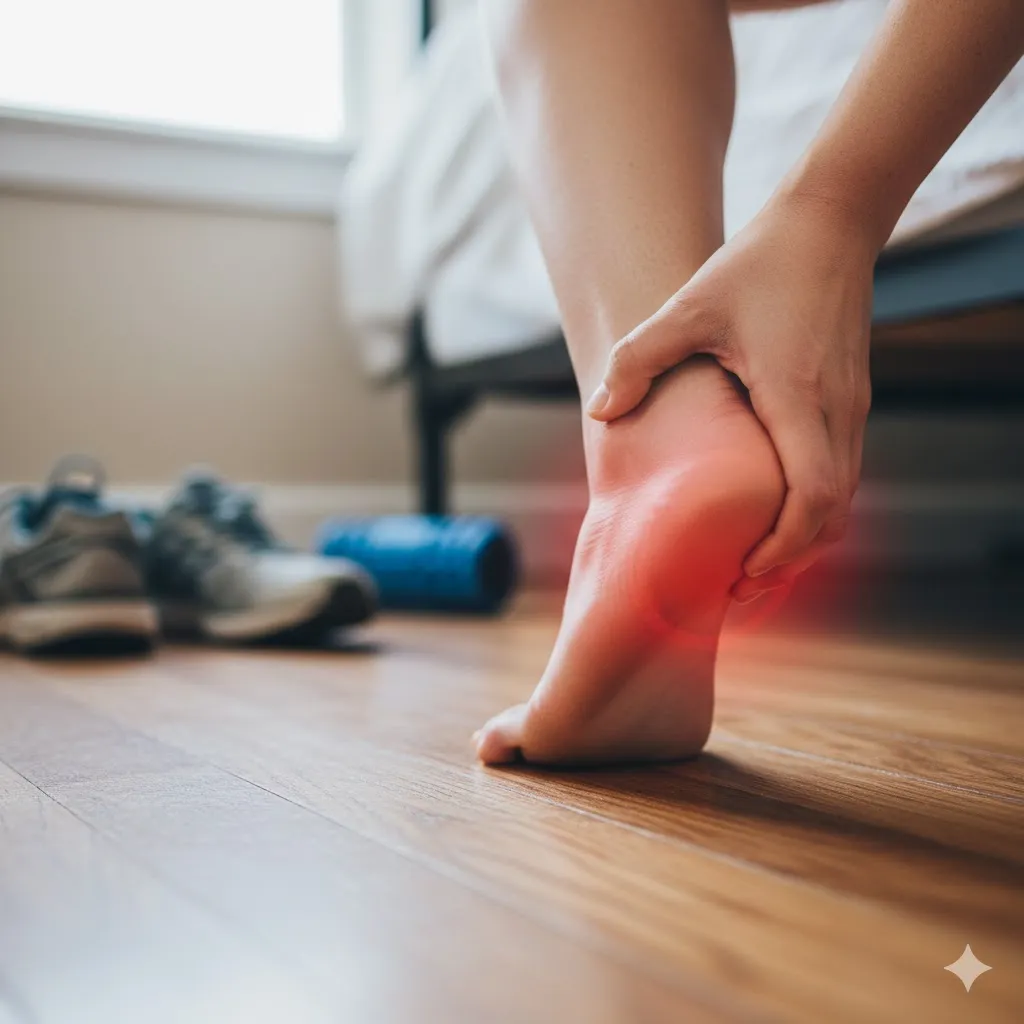
 If you suspect you have a sprained ankle, or have received an official diagnosis from your doctor, treating your ankle at home is essential to promoting better healing. Here at McAuliffe Chiropractic we used the PRICE method, an updated take on the time-honored “RICE” solution to treating sprains and strains.
The PRICE method should be applied at least for 24-48 hours after injury, and possibly longer depending on the severity of your injury. PRICE stands for: Protection, Rest, Ice, Compression, and Elevation. Here’s how it works.
Protection. Protecting your injury is of the utmost importance. You need to stay off your sprained ankle and give it the proper time to heal. Use crutches or apply a sprint or brace to the injury to limit the use of your injured ankle and protect it.
Rest. Limit physical activities that may cause stress to your sprain. Just like protection, rest is essential to giving your body time to heal. Restrict any physical activities that may cause stress to the sprain, which means no running, jumping, or exercising.
Ice. When it comes to treating sprained ankles, ice is your best friend, not only for pain management but to reduce swelling. Apply ice, a cold pack, or submerge your ankle entirely in an ice bucket. The best approach to icing is to do it in 20-minute increments throughout the day.
Compression. Gently wrap your injured ankle in an elastic bandage to help decrease swelling. Remember a compression wrap will not offer extra stability, or protect the ankle, it is there for compression. You should wear the wrap when you are not icing and plan on putting it on in the morning and removing it at bedtime.
Elevation. Raise your ankle on pillows while you’re sitting or lying down so that it’s higher than your heart. Whenever you are sitting or lying down, make sure that your injured ankle is higher than your heart.
Staying on a strict PRICE protocol is the best way to treat your ankle injury and make sure you not only help treat the pain associated with this injury but help with bruising, and swelling and promote faster healing.